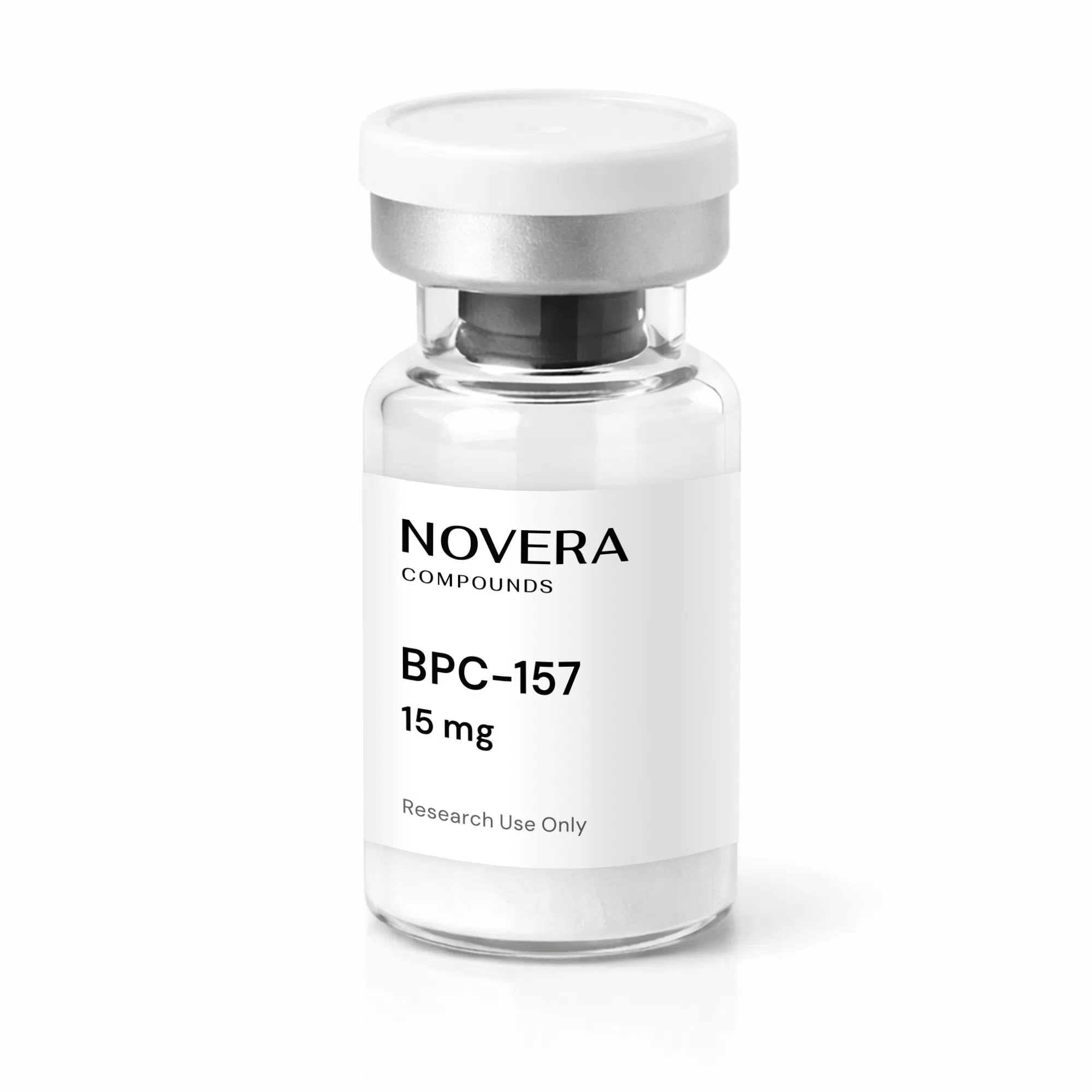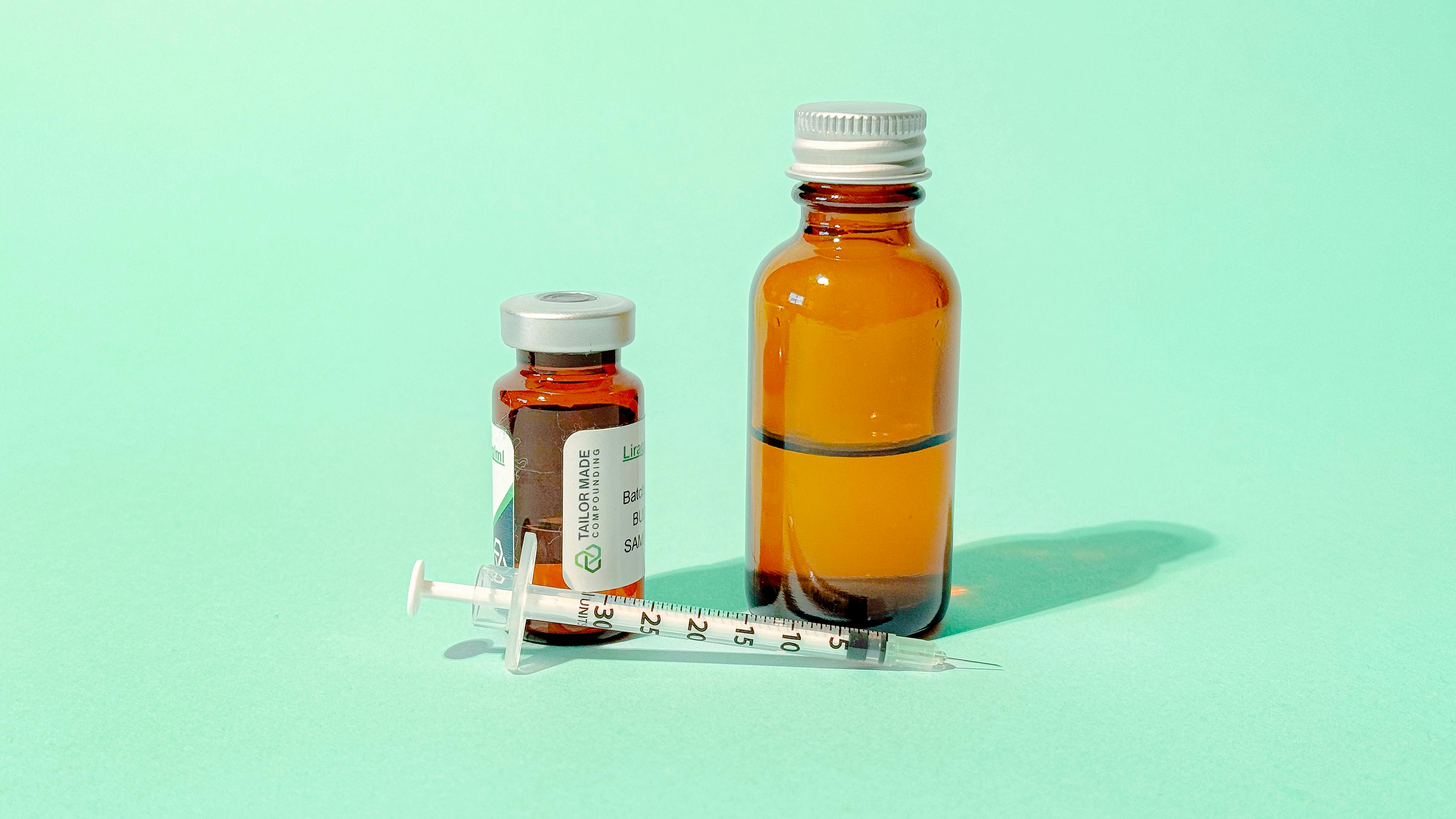
What this microinfusion molecule guide covers This guide is for you if Ideal Reader You already own or are considering an at-home microinfusion device and want to understand what's actually being delivered into your skin You've seen the PDRN, EGF, and GHK-Cu labels on serums and want clinical context, not influencer language You're choosing between in-clinic AquaGold and at-home alternatives and want the molecular case for each You want sourced answers, not "this peptide is amazing" deflections You can skip this if You want a buyer's framework for which microinfusion device to purchase (read our companion at-home microinfusion device guide instead) You're looking for derma roller or motorized microneedling pen guidance (different mechanism, different content) You want a one-paragraph yes-or-no recommendation without molecular context You're pregnant or breastfeeding (microinfusion is generally deferred until postpartum

Therefore, the legal landscape in Australia relating to peptides can constantly shift, Whetham says
Research has revealed that the complex modulates the expression of over 4,000 mammalian genes, with particularly pronounced effects on genes involved in tissue repair, antioxidant defense, and inflammatory resolution
Analysis of data from the US National Health and Nutrition Examination Survey (NHANES) 2003-2006 found that 15.8% of children and adolescents (ages 2-18 years) and 8.5% of adults (19 years) had total usual niacin intakes exceeding the UL (130)