Topical / Transdermal: Highly documented in dermatological research, as the low-molecular-weight GHK-Cu complex effectively penetrates the stratum corneum to stimulate local collagen, decorin, and glycosaminoglycan synthesis in the dermal matrix.[2] Study Duration GHK-Cu research generally follows both sub-acute and longitudinal timelines depending on the tissue remodeling goals: Wound Healing & Acute Repair: 2 to 4 weeks is the standard timeline for observing accelerated angiogenesis, enhanced blood vessel formation, and macroscopic wound closure in severe injury models.[3] Longitudinal Skin / Anti-aging Models: 8 to 12 weeks for observing sustained upregulation of structural proteins and the restoration of replicative vitality in aged or radiation-damaged fibroblasts.[1] Evidence Limitations While decades of in vitro and animal models demonstrate GHK-Cus profound ability to accelerate tissue remodeling, attract immune cells, and modulate inflammatory pathways, it is not approved by the FDA as an injectable therapeutic for wound healing, anti-aging, or systemic inflammation in humans

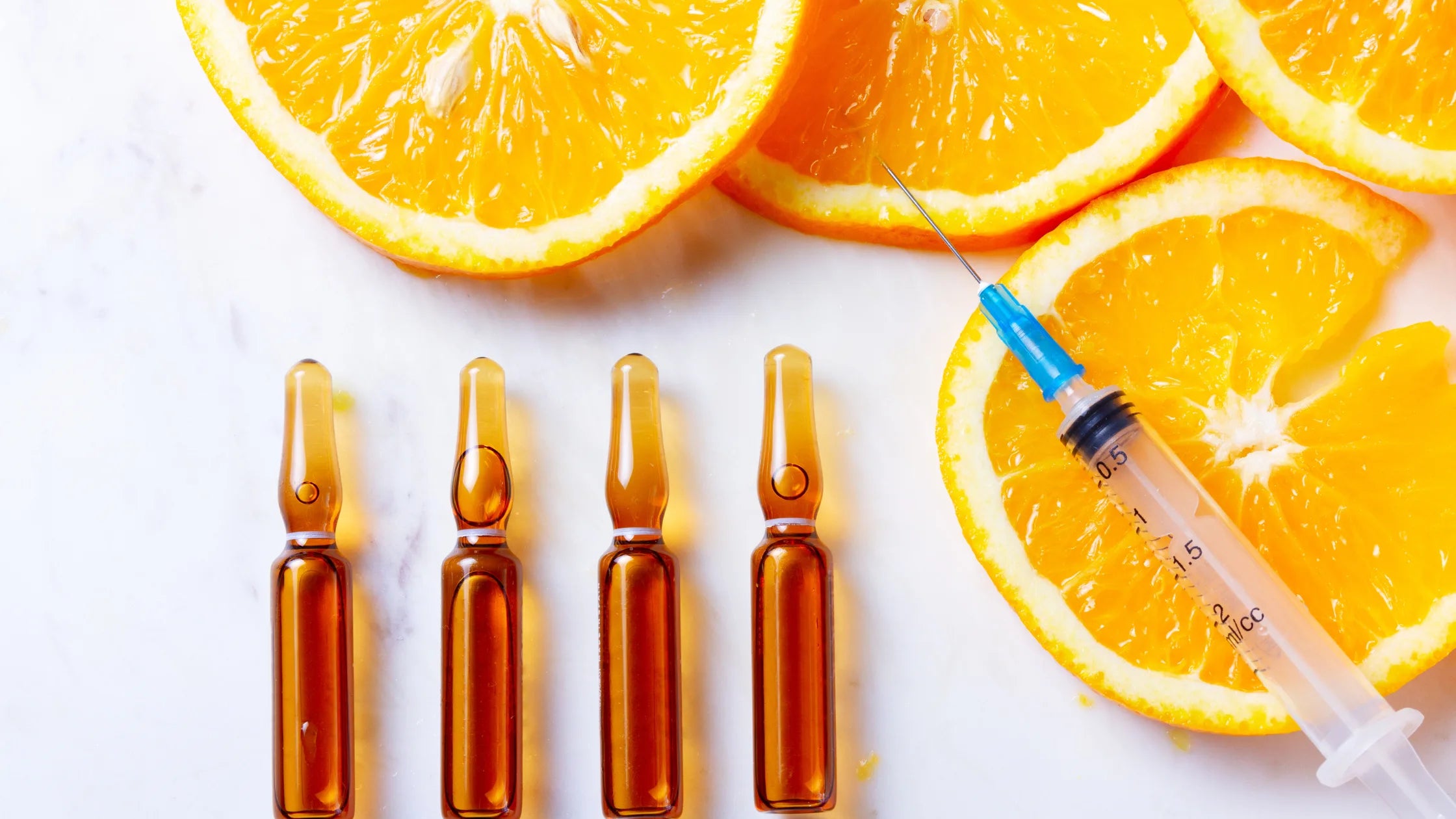
High dose vitamin C infusions given intravenously (directly into the bloodstream) can reach much higher levels than when taken orally
They have been associated with: Tissue repair Anti-inflammatory effects Support of healing pathways Appetite and recovery support Gut protection Immune modulation This is why athletes and longevity clinics became so interested in them
11 Once cognitive decline starts, its path is usually a downward spiral